Source Direct Flow Tube Fin Water Heat Sink for Coolers
Find and compare 30 direct flow tube fin water heat sink options for industrial cooling and heating applications. Evaluate corrosion-resistant materials like stainless steel and aluminum, custom dimensions, and various certifications to select the right heat exchanger components for your machinery.
Key considerations
Products List




Comprehensive Sourcing Guide
Direct Flow Tube Fin Water Heat Sink Sourcing Guide
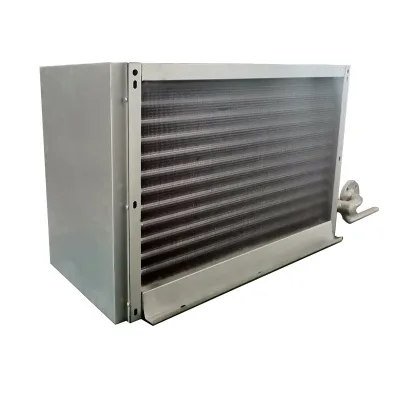
Sourcing direct flow tube fin water heat sinks requires a disciplined approach to balancing thermal efficiency with mechanical durability. These components are critical in systems where water acts as the primary coolant, transferring heat away from high-output machinery or electronic assemblies. Buyers must recognize that "direct flow" implies a specific fluid dynamic design where the coolant moves through the tube bundle with minimal resistance, maximizing the contact area between the water and the metal fins. This design is particularly effective in applications requiring rapid heat dissipation, such as in industrial chillers, automotive radiators, or specialized HVAC units. The procurement strategy must therefore prioritize suppliers who demonstrate expertise in both heat transfer physics and precision metalworking.
The market for these components is diverse, ranging from standard off-the-shelf units to highly customized solutions tailored for unique thermal loads. Buyers often encounter listings that vary significantly in material composition, fin geometry, and tube configuration. It is essential to distinguish between generic heat exchangers and those specifically engineered for direct water flow, as the latter requires stricter corrosion resistance and pressure handling capabilities. Understanding the specific operational environment, including water quality, flow rate, and temperature differentials, is the first step in defining the technical requirements. This foundational knowledge prevents the selection of underspecified components that may fail prematurely under thermal stress or chemical attack.
Product Scope and Observed Listing Signals
The observed product landscape for direct flow tube fin water heat sinks reveals a wide range of configurations and material options. Listings frequently highlight base tube materials such as carbon steel, aluminum, stainless steel, copper, and various alloys. The fin material is often specified separately, with stainless steel grades like 304, 310, and 316, as well as carbon steel and aluminum alloys, being common choices. This variety allows buyers to match the heat sink to the specific chemical and thermal demands of their application. For instance, stainless steel fins offer superior corrosion resistance for harsh water environments, while aluminum fins provide excellent thermal conductivity at a lower weight. Buyers should carefully evaluate these material combinations to ensure compatibility with their coolant chemistry.
Listing signals also indicate significant variability in physical dimensions and manufacturing processes. Observed specifications include fin thicknesses ranging from 0.3 to 0.8 mm and base tube lengths extending up to 22 meters. The fin pitch is typically noted between 2 and 8 mm, a critical parameter that influences both airflow or water flow resistance and heat transfer surface area. Additionally, the production type is often described as batch production, suggesting that while customization is available, the manufacturing process may involve specific setup times for each order. Buyers should pay close attention to these dimensional tolerances and manufacturing methods, such as extrusion or metal stamping, as they directly impact the final product's performance and cost structure.
Technical Specifications to Verify
Verifying the technical specifications of a direct flow tube fin water heat sink is crucial for ensuring system compatibility and performance. The principle of operation for these units often involves regenerative heat exchange or resistance heating, depending on the specific design and application. Buyers must confirm the cooling capacity requirements, which are often customized per request, to ensure the selected unit can handle the thermal load. Dimensional tolerances should ideally follow recognized standards such as ISO 2768, ensuring that the heat sink fits precisely within the assembly. Any deviation in tube diameter, fin height, or overall dimensions can lead to installation issues or reduced thermal efficiency.
The surface treatment and structural integrity of the heat sink are also key technical factors to verify. Many listings indicate that the components are powder coated, which can provide an additional layer of protection against corrosion and wear. However, buyers must ensure that this coating does not impede heat transfer if it is applied to the active cooling surfaces. Furthermore, the condition of the product is typically listed as new, but buyers should request detailed drawings or CAD models to verify the internal flow paths. Understanding the specific model numbers, such as SW-478 or generic OEM designations, helps in tracing the design lineage and ensuring that replacement parts or future orders are identical in performance.
Compliance and Safety Documentation
Compliance with international standards and certifications is a non-negotiable aspect of sourcing industrial heat sinks. The observed listings frequently mention certifications such as RoHS, ISO, and CE, indicating adherence to environmental and safety regulations. RoHS compliance is particularly important for electronics and machinery where restricted substances must be avoided. ISO certification suggests that the supplier follows established quality management practices, which can be a proxy for consistent manufacturing quality. Buyers should request copies of these certificates and verify their validity with the issuing bodies to ensure they are current and applicable to the specific product line.
In addition to general certifications, specific industry standards may apply depending on the application sector. Standards such as JIS, GB, API, ANSI, ASTM, DIN, and GOST are referenced in various listings, highlighting the global nature of the supply chain. Buyers must determine which standards are relevant to their market and regulatory environment. For example, if the heat sink is intended for use in pressure vessels or high-pressure water systems, compliance with pressure equipment directives or specific API standards may be required. Verifying that the supplier can provide test reports or material certificates aligned with these standards is essential for risk mitigation and regulatory compliance.
Cost Drivers and Commercial Terms
The cost of direct flow tube fin water heat sinks is influenced by several key factors, including material selection, manufacturing complexity, and order volume. The observed price range is broad, spanning from low-cost items to high-value industrial units, reflecting the diversity in specifications and quality levels. Material costs, particularly for stainless steel and copper alloys, can fluctuate significantly, impacting the final price. Customization options, such as specific fin pitches or non-standard tube lengths, often incur additional tooling or setup fees. Buyers should request detailed cost breakdowns to understand how much of the price is attributed to materials versus labor and overhead.
Commercial terms also play a significant role in the total cost of ownership. The observed minimum order quantities (MOQ) range from 1 to 2000 units, offering flexibility for both prototype development and large-scale production. Packaging methods vary, with options including wooden boxes, carton packages, and custom packaging, each affecting shipping costs and product protection. Buyers should negotiate clear terms regarding lead times, payment schedules, and warranty coverage. A standard warranty of one year is commonly offered, but buyers should clarify what this covers, such as material defects or workmanship issues. Understanding these commercial dynamics helps in budgeting accurately and avoiding hidden costs associated with logistics or rework.
Supplier Qualification and Quality Control
Qualifying a supplier for direct flow tube fin water heat sinks requires a thorough assessment of their manufacturing capabilities and quality control processes. Buyers should verify the supplier's ability to handle the specific machining methods required, such as extrusion or metal stamping, and their experience with the chosen materials. The availability of R&D support is a positive indicator, suggesting that the supplier can assist in optimizing the design for specific thermal applications. Buyers should request case studies or references from previous clients in similar industries to gauge the supplier's reliability and technical competence.
Quality control measures should be explicitly defined in the procurement agreement. This includes in-process inspections, final product testing, and dimensional verification against the agreed-upon tolerances. Buyers should inquire about the supplier's testing protocols for pressure resistance, thermal efficiency, and corrosion resistance. While specific test results may not be publicly listed, the supplier should be willing to share their internal quality standards and inspection reports. Establishing a clear communication channel for addressing quality issues and defining the process for handling non-conforming products is essential for maintaining a robust supply chain.
Long-Term Procurement Checks
Long-term procurement of direct flow tube fin water heat sinks involves ongoing monitoring of supplier performance and product reliability. Buyers should establish key performance indicators (KPIs) such as on-time delivery rates, defect rates, and responsiveness to technical queries. Regular audits of the supplier's facility and quality management systems can help ensure continued compliance with agreed-upon standards. Additionally, buyers should stay informed about changes in material costs and industry standards that may impact the product's design or pricing. Building a strong relationship with the supplier can facilitate better collaboration on future design improvements and cost-saving initiatives.
It is also important to plan for the lifecycle of the heat sink, including maintenance and replacement strategies. Buyers should ensure that spare parts are available and that the supplier can provide technical support for troubleshooting. Documenting all technical specifications, compliance certificates, and quality inspection reports creates a valuable knowledge base for future procurement cycles. By maintaining a proactive approach to supplier management and product monitoring, buyers can minimize downtime and ensure the long-term efficiency of their thermal management systems. This strategic perspective transforms procurement from a transactional activity into a value-adding partnership.
FAQs
What certifications do these fin tubes have?
The products hold RoHS, ISO, and CE certifications. Some listings also mention ISOCE and compliance with JIS, GB, API, and ASTM standards. These certifications ensure the tubes meet international safety and quality requirements for industrial applications.
Which materials are available for the base tube?
Available base tube materials include Carbon Steel, Aluminum, Stainless Steel, Copper, and various Alloys. Specific fin materials can be Stainless Steel 304, 310, 316, or Carbon Steel. Buyers can select based on corrosion and temperature resistance needs.
Can the product be customized for specific needs?
Yes, customization is available for this fin tube product. The standard and model can be customized, and the base tube length ranges from 0 to 22 meters. Buyers can request specific dimensions and surface treatments like powder coating to match their machinery requirements.
What is the typical fin thickness and pitch?
The fin thickness typically ranges from 0.3 to 0.8 mm. The fin pitch is specified between 2 and 8 mm. These dimensions are critical for optimizing heat exchange efficiency in condensers, vaporizers, and coolers used in various industrial machinery.
How is the product packed for shipping?
Packaging options include Wooden Boxes, Carton Packages, and Custom packaging. The specific packing method depends on the order requirements and product type. This ensures safe transport of the fin tubes and heaters to international destinations from China.
What is the warranty period for these items?
The standard warranty period provided is 1 Year. This covers defects in material and workmanship for new products. Buyers should verify specific warranty terms with the supplier as conditions may vary based on the customization and application of the heat sink.
What machining methods are used for production?
Production utilizes Extrusion and Metal Stamping machining methods. These processes ensure precise dimensions and structural integrity for the fin tubes. The manufacturing supports batch production and can accommodate custom orders for hardware tools and machinery accessories.